Liberation
Lands that returned home
The cities and districts of Karabakh that came under Azerbaijani control during the war and under the final agreement.
Liberation
The cities and districts of Karabakh that came under Azerbaijani control during the war and under the final agreement.
Liberation
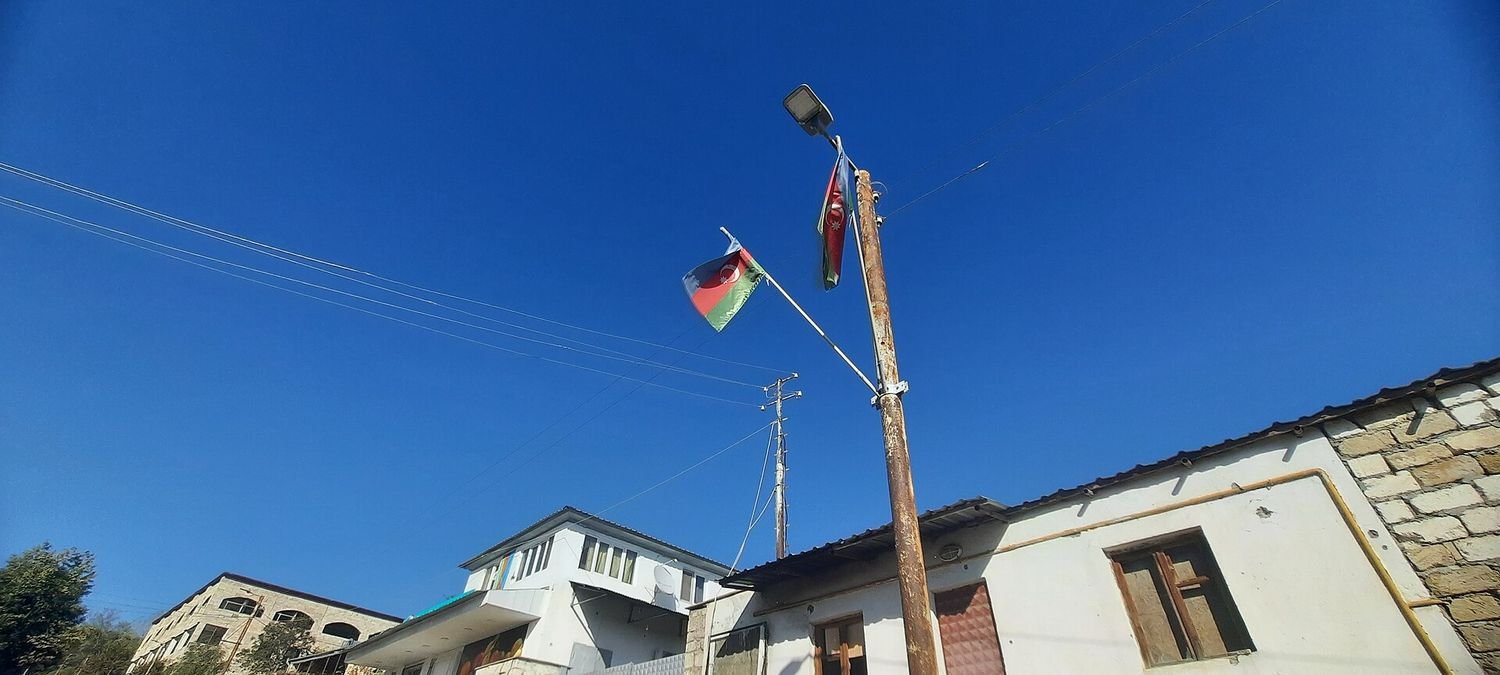
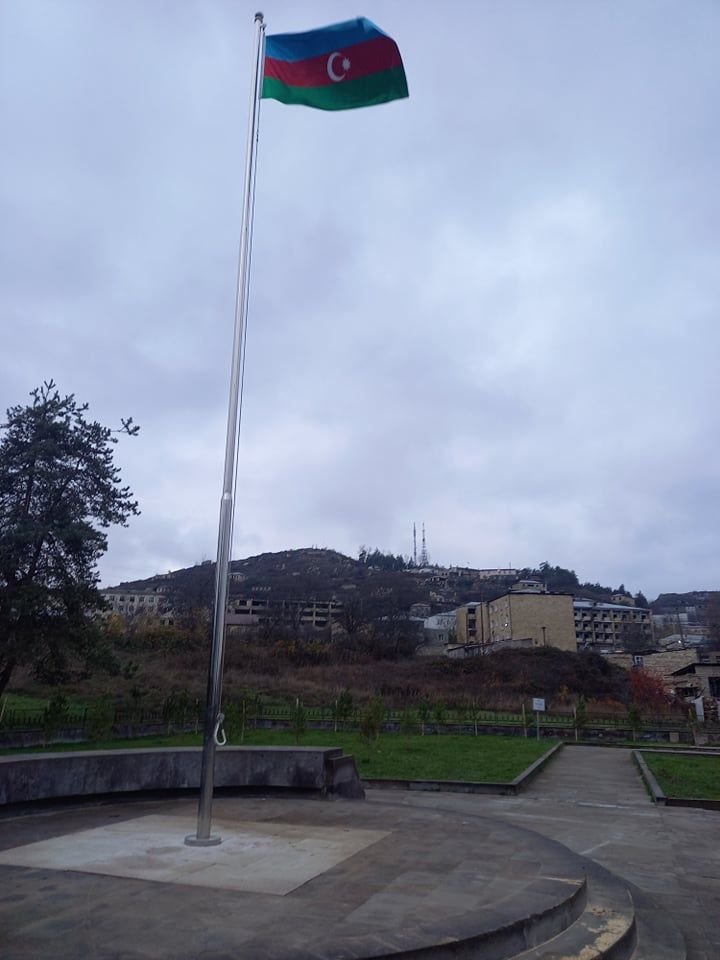
Over the forty-four days, a number of districts and cities came under Azerbaijani control, primarily on the southern front: Fuzuli, Jabrayil, Zangilan, Gubadli, the settlement of Hadrut and dozens of villages. The crowning achievement of the offensive was the liberation of Shusha.
Many of these cities had been abandoned and destroyed back during the First Karabakh War of the 1990s, so the returning soldiers and displaced people found ruins and mined fields.
Liberation
Liberation
Under the trilateral statement of 10 November, three districts — Aghdam, Kalbajar and Lachin — were handed over to Azerbaijani control without fighting, on an agreed schedule by the end of 2020. The Lachin corridor was left open for passage to Armenia, under the observation of peacekeepers.
The list and the timeline are given in general terms based on open sources; the status of individual territories changed over time.