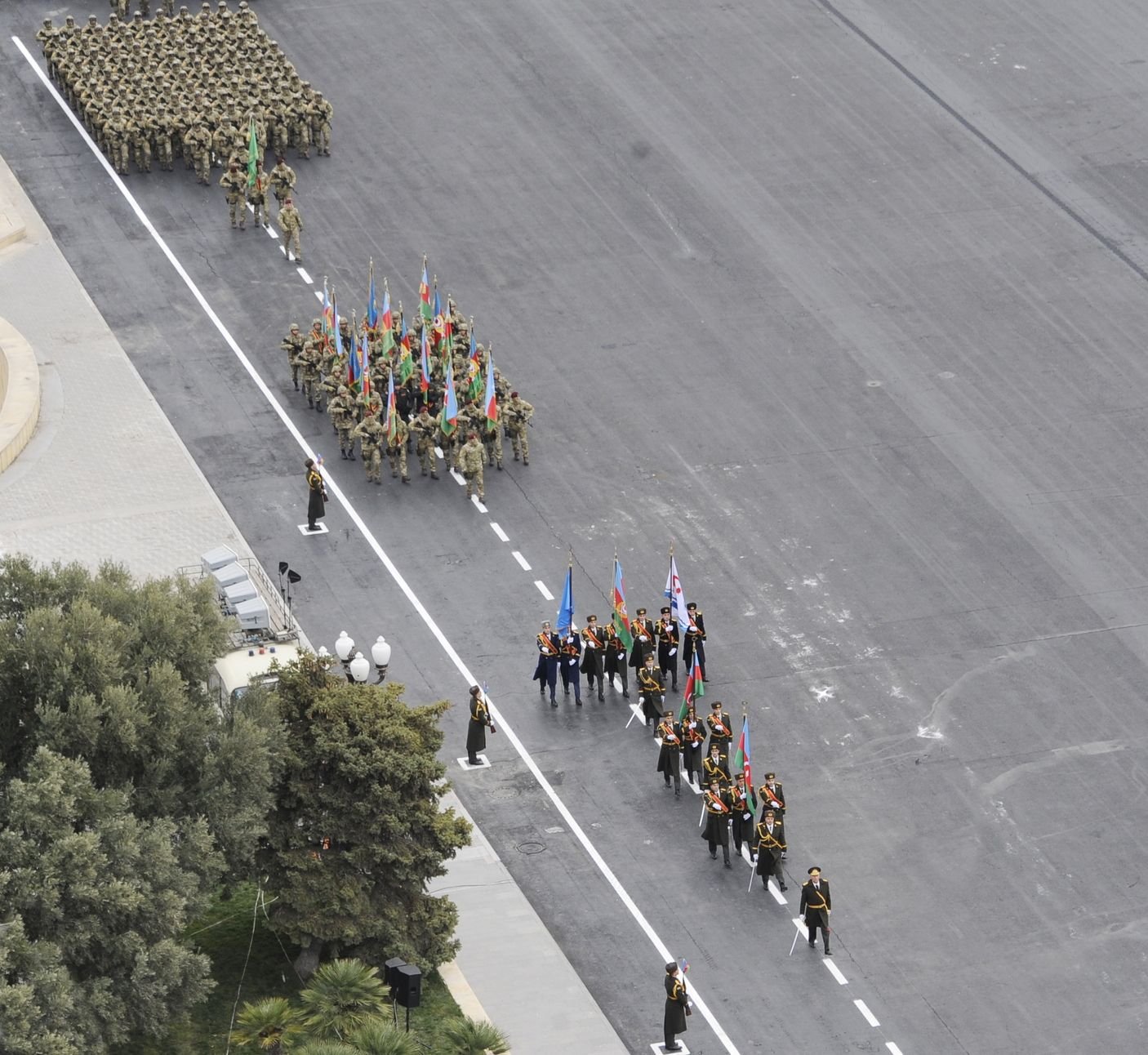
27 September – 10 November 2020
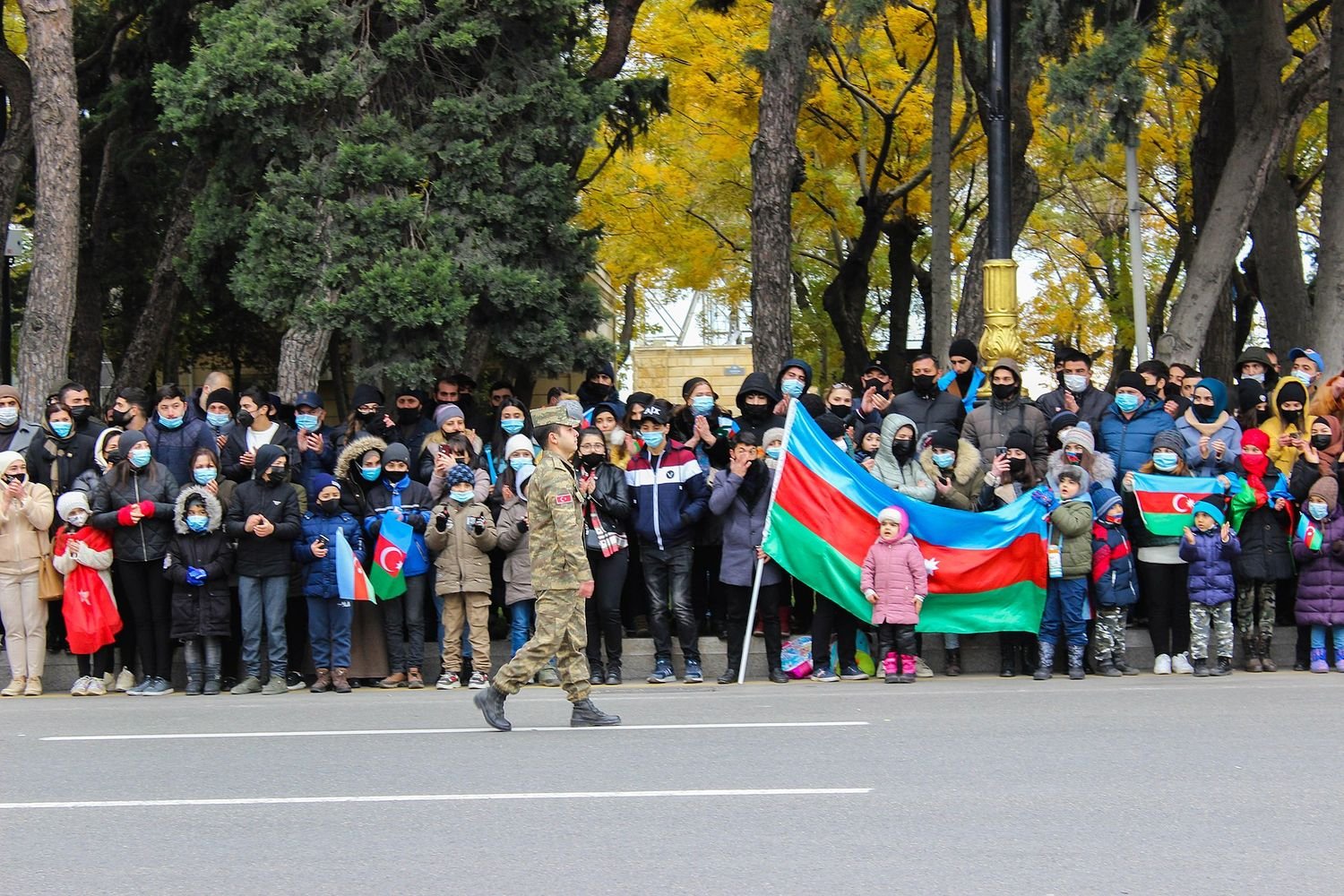
Forty-four days in the autumn of 2020, after which the flag of Azerbaijan rose once more over Shusha and the lands of Karabakh returned under the country's control.
What this is
In Azerbaijan, the combat operations of autumn 2020 around Nagorno-Karabakh are called the Patriotic War (Azerbaijani: Vətən müharibəsi). In international sources it is more often called the Second Karabakh War, or the 44-Day War. It began on 27 September and ended on 10 November 2020.
Over these forty-four days the Azerbaijani army restored control over a number of districts and cities, culminating in the liberation of Shusha on 8 November. The war ended with a trilateral ceasefire statement and the deployment of Russian peacekeepers. The conflict claimed lives on both sides.
Sections
The 44 DaysDay by day: from the first battles on 27 September to the agreement of 10 November 2020.II
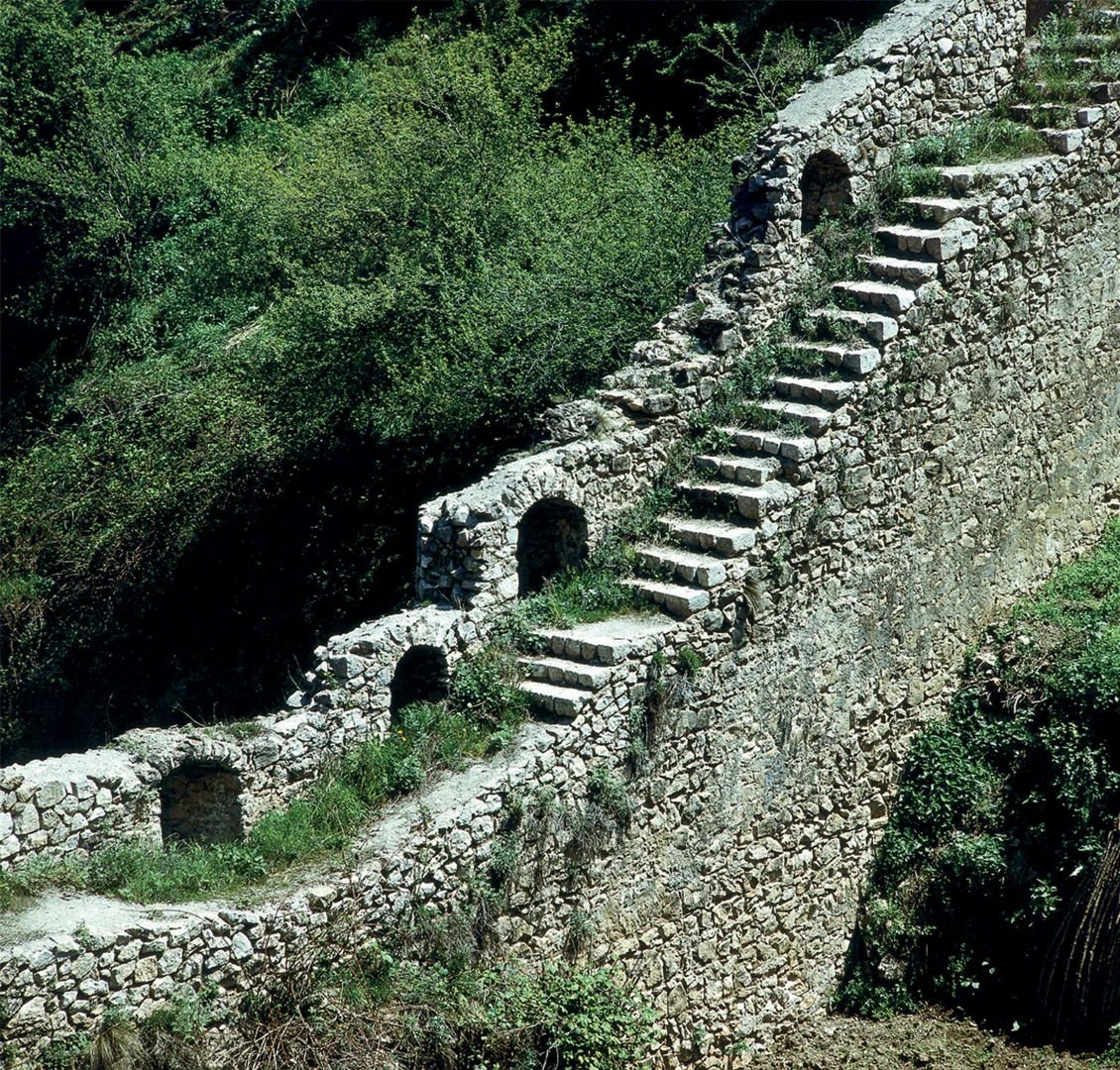
LiberationFuzuli, Jabrayil, Zangilan, Gubadli, Hadrut and Shusha — the cities and districts returned under the country's control.III
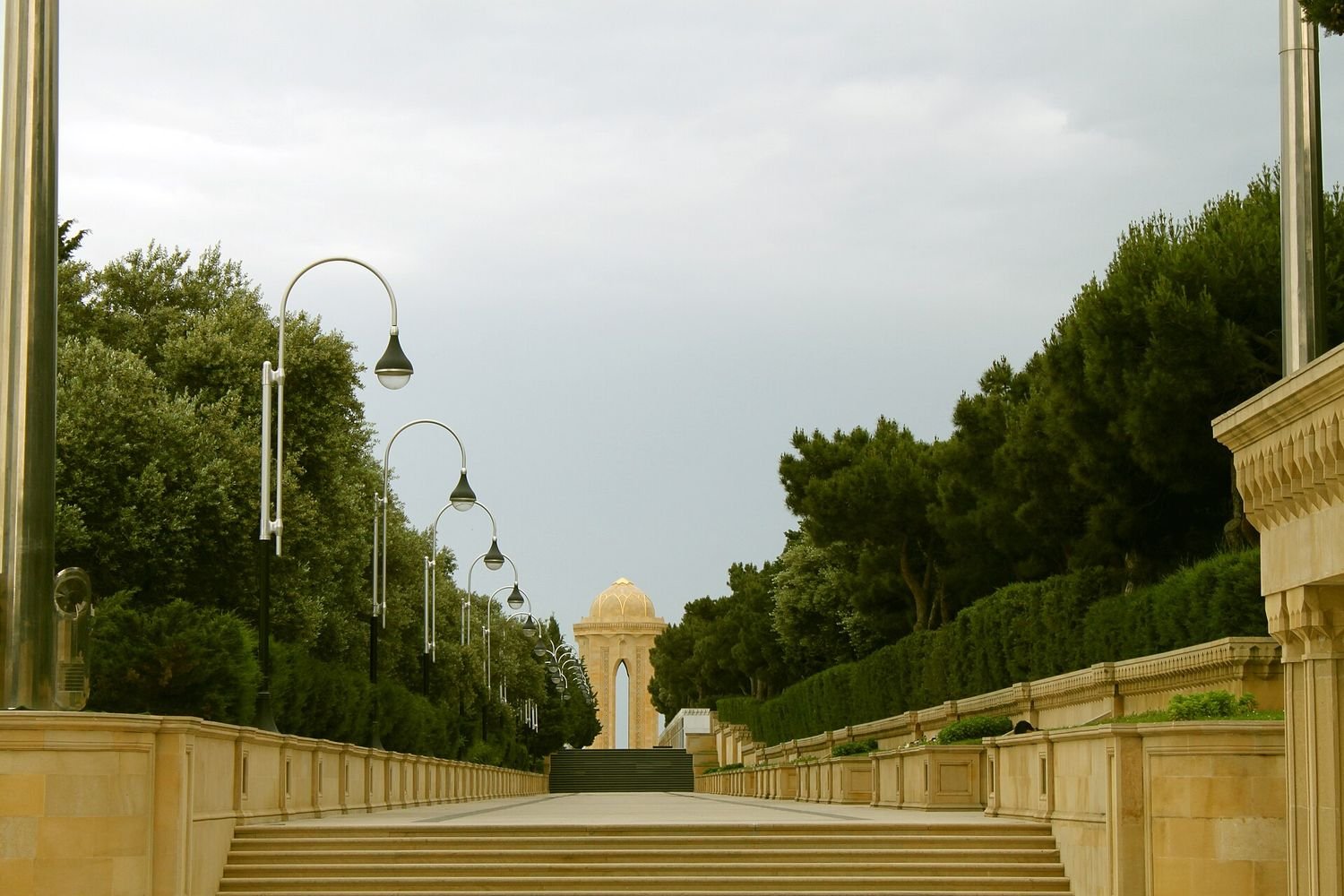
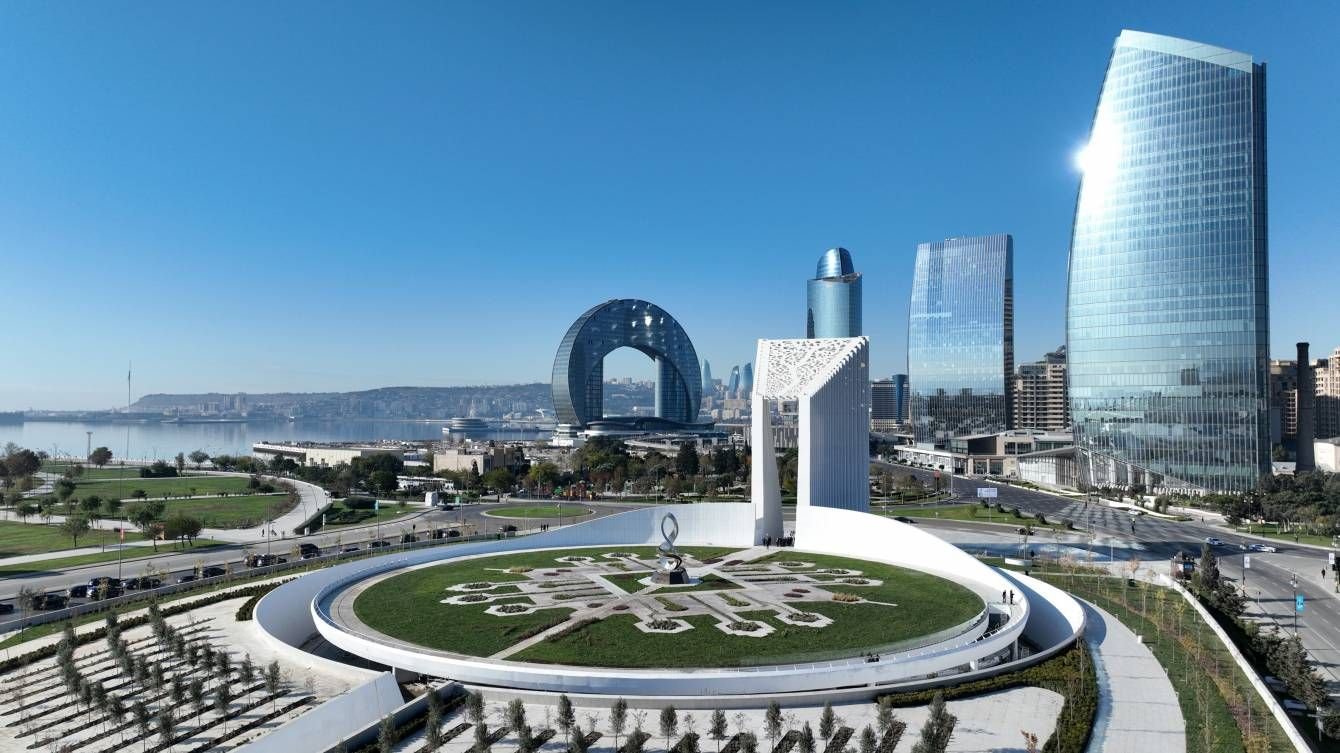
RemembranceThe shehids of the war, the Alley of Martyrs and Victory Park — the human dimension and mourning.IV
OutcomesThe trilateral statement, the peacekeepers and Victory Day on 8 November.V
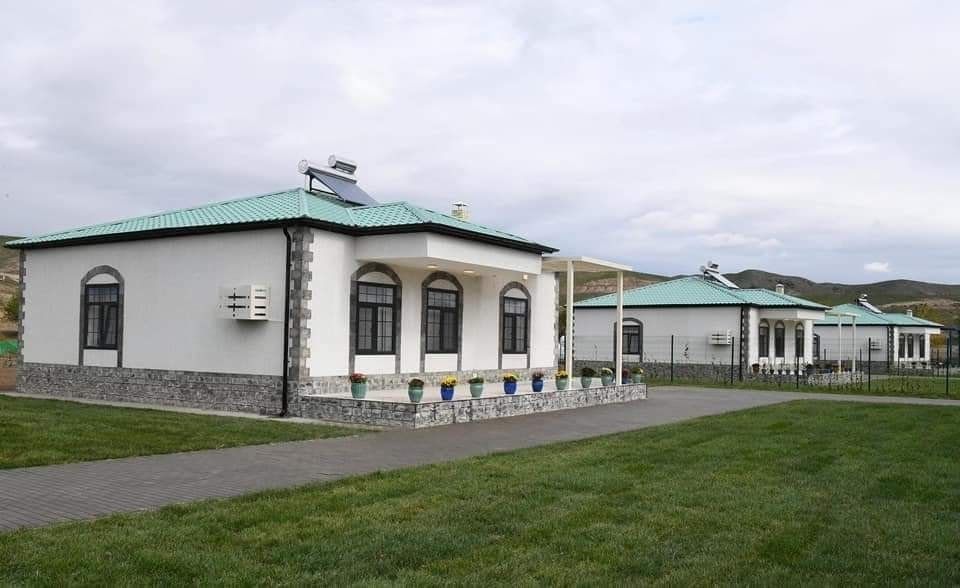
RevivalThe "Great Return", the rebuilding of cities and Shusha as a cultural capital.On 8 November the flag rose once more over Shusha — a day that became Victory Day.

Remembrance
A high price was paid for the liberated lands — thousands of lives. In Azerbaijan the fallen are called shehids; their memory is kept by the Alley of Martyrs and Victory Park in Baku. The war claimed the lives of both civilians and soldiers on both sides.
Remembrance sectionAfter the war
After the war the rebuilding of Karabakh began: demining, the construction of new cities and airports, and the "Great Return" programme for displaced people. Shusha was declared the cultural capital of Azerbaijan.